

Greece, a country rich in history and culture, has faced numerous economic challenges throughout its existence. One of the most significant events in recent history was the country’s financial crisis, which brought it close to bankruptcy. This crisis had repercussions across various sectors, particularly affecting real estate investment in Greece. In this blog, we will explore the history of Greece’s real estate market, examine its development and the effects of the financial crisis, and look at the market’s subsequent revival.
The Greek Real Estate Crisis: Uncovering the Impact of the Economic Crisis
The Crisis Years: A Sharp Decline
In the history of global economics, Greece’s financial crisis stands as a stark reminder of the vulnerabilities inherent in modern economies. The period from the late 2000s to the early 2010s was marked by poor fiscal management, global financial turmoil, and systemic vulnerabilities, culminating in what became known as the Greek financial crisis. The crisis affected various sectors, with the real estate market being one of the hardest hit. To understand the extent of the crisis’s impact on Greece’s real estate sector, it is essential to examine the economic collapse, its consequences, and the subsequent decline in property values and transaction volumes.
Economic Collapse and Its Impact on Real Estate
Overview of the Greek Financial Crisis
The beginning of the Greek financial crisis was characterized by a series of interconnected events, including rapidly accumulating public debt, poor fiscal management, and a lack of structural reforms. The resulting economic slowdown had far-reaching consequences, leading to the contraction of various economic sectors, including real estate.
Economic Contraction and Housing Demand
The economic contraction resulted in a decline in consumer spending and investment, leading to a sharp drop in housing demand. As disposable income declined and credit markets tightened, individuals and families were forced to reassess their spending priorities. This sudden shift in consumer behavior translated into reduced appetite for real estate purchases, causing demand to fall significantly.
Rising Unemployment and Mortgage Defaults
One of the major consequences of the crisis was soaring unemployment. As businesses faced financial difficulties and government austerity measures took effect, the labor market suffered a severe blow. Skyrocketing unemployment rates meant that a significant portion of the population struggled to meet mortgage obligations. This, in turn, contributed to an increase in mortgage defaults and foreclosures, further intensifying the challenges facing the real estate market.
Plummeting Property Values and Transaction Volumes
Declining Real Estate Prices
The combined dynamics of declining demand and increased supply resulting from foreclosures led to a sharp decline in property values. Greece’s real estate market index, a key indicator of property prices, recorded a significant and sustained decline. Properties that had previously been considered valuable assets saw their market values eroded, creating a negative feedback loop that further discouraged potential buyers from entering the market.
Stagnation in Property Sales
The combination of economic uncertainty, declining demand, and falling property values resulted in a stagnation of property sales. Potential buyers, concerned about the volatile economic environment, were hesitant to invest in real estate. At the same time, sellers facing the prospect of reduced returns often chose to withdraw their properties from the market. This frozen state of property transactions added to the challenges facing the struggling real estate sector.
The Emergence of Ghost Cities in Urban Areas
As property values declined and sales came to a standstill, a troubling phenomenon emerged in urban areas—the ghost city effect. Once vibrant and bustling urban centers began showing signs of abandonment. High vacancy rates in residential and commercial properties became increasingly common, casting a gloomy atmosphere over neighborhoods that had once flourished. This phenomenon reflected the broader economic turmoil, as businesses closed, residents relocated, and the urban landscape became a stark reminder of the crisis’s impact.
Government Interventions and Stabilization Efforts: Navigating the Revival of Greek Real Estate
To stimulate economic growth and attract foreign investment, the Greek government introduced various initiatives and incentives. These measures were designed to facilitate real estate transactions, streamline bureaucratic processes, and increase investor confidence. Foreign investors found themselves welcomed with open arms, presenting an attractive proposition for those seeking to invest in Greek real estate.
Structural Reforms and Policy Initiatives
The Greek financial crisis not only exposed vulnerabilities within the country’s economy but also highlighted the urgent need for comprehensive structural reforms and policy initiatives to revive the struggling real estate sector.
Austerity Measures and Bailout Conditions
Following the crisis, Greece found itself in need of external financial assistance to stabilize its economy. This led to the implementation of strict austerity measures and bailout conditions imposed by international lenders. While these measures faced public opposition because of their immediate impact on living standards, they also laid the foundations for necessary reforms. These included labor market adjustments, pension reforms, and fiscal discipline, all of which were essential for restoring investor confidence and establishing a stable economic foundation.
Property Tax Reforms and Modernization of Land Registration
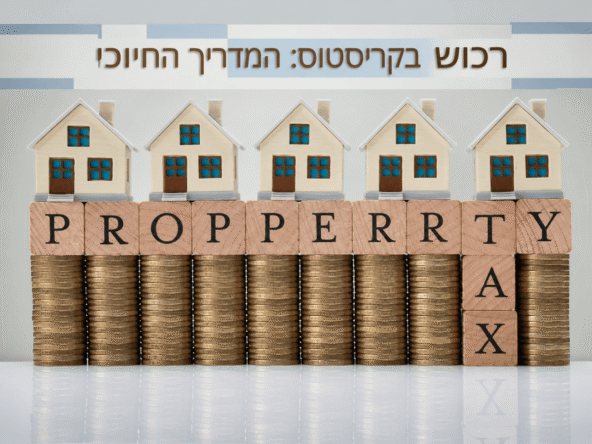
To address longstanding issues of tax evasion and inefficient land administration, the Greek government initiated property tax reforms and modernization of the land registry. These initiatives aimed to streamline real estate taxation, increase transparency in property transactions, and strengthen the legal framework surrounding land ownership. Through these efforts, the government sought to attract both domestic and foreign investors, enabling them to navigate the real estate market with greater clarity and confidence.
Foreign Investment Incentives and the Golden Visa Program
Recognizing the crucial role of foreign investment in revitalizing the real estate sector, Greece introduced incentives to attract international buyers. The Golden Visa program emerged as a prominent initiative, offering residence permits to non-EU citizens who invested in Greek real estate. This program not only provided a pathway to European residency but also injected much-needed capital into the real estate market. Foreign buyers, particularly from countries such as China and Russia, took advantage of the opportunity to invest in Greek property, contributing to the market’s gradual recovery.
The Impact of Policy Changes on the Market
The structural reforms and policy initiatives implemented had a transformative impact on Greece’s real estate landscape, ushering in a new era characterized by changing supply-and-demand dynamics and renewed investor sentiment.
Balancing Supply and Demand Dynamics
The interaction between supply and demand has long been a key factor shaping every real estate market. In Greece, the oversupply of properties resulting from the crisis collided with declining demand, leading to falling property values and stagnant transaction volumes. However, the implementation of structural reforms helped realign these dynamics. Property tax reforms and the modernization of land registration contributed to a more transparent and efficient market, enabling smoother real estate transactions. As investor confidence gradually recovered, demand began to gain momentum, albeit gradually, leading to the progressive stabilization of property values.
Increasing Confidence and Attracting Foreign Buyers
The introduction of foreign investment incentives, particularly the Golden Visa program, breathed new life into the Greek real estate market. Foreign buyers were attracted by the opportunity to purchase property in a European country while simultaneously gaining residency benefits. This influx of international investment injected liquidity into the market, creating a positive ripple effect on property values and transaction volumes. Furthermore, the presence of foreign buyers signaled renewed confidence in Greece’s economic recovery, further strengthening domestic investor sentiment.
Implementation Challenges and Public Perception
While policy initiatives were designed to accelerate the revival of the real estate market, they were not without challenges. Austerity measures, although necessary for economic stability, often faced public opposition because of their immediate impact on everyday life. In addition, the implementation of reforms, such as property tax adjustments and land registry modernization, encountered bureaucratic obstacles and logistical complexities. These challenges, together with continued public skepticism resulting from the crisis, created obstacles that required sustained efforts to overcome.
The Revival: A Turning Point in Greece’s Real Estate Landscape
Signs of Recovery and Optimism
The Greek real estate sector, once marked by the devastating impact of the economic crisis, embarked on a remarkable journey of recovery and revival. Signs of optimism and renewed investor confidence began to illuminate the path toward a revitalized market, characterized by emerging trends and changing demand dynamics.
Strengthening the Economy and Investor Confidence
The gradual stabilization of Greece’s economy became a cornerstone of the revival of the real estate sector, attracting both domestic and foreign investors interested in real estate investment opportunities in Greece. The difficult process of implementing austerity measures and enacting structural reforms produced promising results, creating an environment conducive to economic growth and encouraging more investors to invest in Greek real estate.
One key aspect of this positive transformation was the establishment of fiscal discipline, a major factor that played an important role in attracting international lenders.
As Greece demonstrated its commitment to financial responsibility through prudent fiscal policies, lenders gradually eased their control over the country’s financial affairs. This development significantly increased investor confidence in Greece’s economic trajectory, acting as a catalyst for renewed interest in real estate investment.
Both domestic and foreign investors responded to this renewed confidence by cautiously re-entering the Greek real estate market. Domestic investors, now more confident in a stable economic environment, began exploring opportunities in their country’s real estate sector. At the same time, foreign investors, attracted by the potential for growth and stability, began considering Greece an attractive destination for property investment.
The Return of Domestic Buyers to the Market
The revival of domestic buyers in the Greek real estate market is evidence of restored confidence in the nation’s economic future. The crisis forced many Greeks to put their real estate ambitions on hold, as homeowners faced mortgage defaults and job losses. However, as economic conditions improved and the uncertainty surrounding the market began to recede, domestic buyers cautiously returned.
This return to the market not only reignited housing demand but also contributed to the broader sense of optimism characterizing the real estate landscape.
Tourism Boom and the Short-Term Rental Market
Greece’s prominence as a highly sought-after global tourism destination has had a profound impact on the revival of its real estate sector. The country’s stunning and diverse landscapes, combined with its deeply rooted cultural heritage and appealing Mediterranean climate, have attracted travelers from all corners of the world. This influx of tourists resulted in a remarkable increase in demand for accommodation, creating a golden opportunity for property owners to capitalize on the growing short-term rental market.
Within this dynamic, platforms such as Airbnb have played a central role. These platforms revolutionized the use of underutilized properties by transforming them into profitable sources of income. This transformation created a mutually beneficial relationship connecting the tourism and real estate sectors.
As tourists flocked to Greece, exploring its vibrant cities and captivating coastal areas, the short-term rental market experienced unprecedented growth. This, in turn, accelerated a notable increase in real estate transactions and generated a sense of optimism among investors looking at the Greek property market.
For those considering investing in Greek real estate, the current landscape holds tremendous promise.
Investing in Greece opens the door to a market intricately connected to the global tourism phenomenon. The country’s compelling combination of natural beauty and historical significance not only ensures a steady flow of visitors but also supports sustainable demand for short-term rental accommodation. As a result, investing in Greece’s real estate market becomes a strategic move aligned with the growth of tourism and the thriving short-term rental sector.
The appeal of Greece’s property investment opportunities is further highlighted by the symbiotic relationship between tourism and real estate. Experienced investors who recognize the potential of this interconnected relationship can capitalize on tourists’ desire for immersive experiences and comfortable accommodation.
As tourists explore Greece’s enchanting landscapes and immerse themselves in its rich cultural heritage, demand for well-located and well-furnished short-term rentals continues to rise, creating a potential avenue for significant returns on investment.
Emerging Trends and Changes in Demand
The revival of Greece’s real estate market has been characterized by a series of emerging trends and shifts in demand, reshaping the market landscape and redefining the investment opportunities it offers.
Athens: From Neglect to Urban Renaissance
Athens, the heart of Greece, has undergone a remarkable transformation from a neglected city into a vibrant urban destination. The city suffered from the economic crisis, with many buildings remaining vacant and open spaces detracting from its beauty. But as the economy improved and people became more confident about investing, Athens began to recover. Abandoned buildings were renovated and put back into use, transforming older neighborhoods into vibrant communities once again.
The city’s important history and dynamic culture attracted both domestic and foreign buyers who wanted to invest in the city’s transformation. This strengthened the real estate market while also helping the city’s economy and cultural scene grow.
In this way, Athens came back to life through real estate investment. People recognized the potential of investing in property in Greece, particularly in Athens. This helped transform neglected areas into busy and energetic parts of the city. The entire city received a new lease on life, driven by smart investment and the enduring importance of its history and culture.
Islands and Coastal Properties: New Hotspots
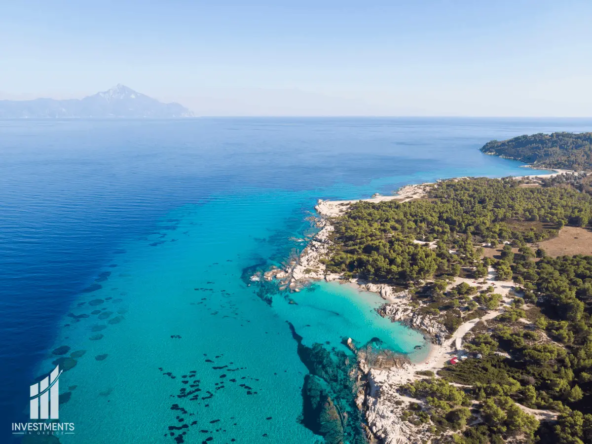
The irresistible appeal of Greece’s sun-drenched beaches, the pristine allure of its crystal-clear waters, and its relaxed yet captivating Mediterranean lifestyle have collectively sparked the interest of a wide range of people, including those seeking strategic investments and those longing for a dream lifestyle change.
International buyers are increasingly attracted to the idea of owning holiday homes in Greece or taking advantage of the real estate market’s potential by investing in income-generating properties. This increased demand for properties on the islands and along the coastline has led to significant increases in real estate values in these areas. As a result, this shift in market dynamics has created a ripple effect, stimulating economic activity and fostering the creation of new employment opportunities.
These magnificent Greek islands, long celebrated for their pristine natural beauty, have now evolved into economic powerhouses, fueling the renaissance of Greece’s real estate sector. This renewed activity is particularly evident within the context of Greece’s real estate investment landscape. Experienced investors recognize the potential of investing in Greek properties, with particular emphasis on the islands, as they become focal points of this real estate revival.
Sustainable and Eco-Friendly Real Estate Solutions
As global awareness of environmental concerns and sustainable living practices has grown, Greece’s real estate market has responded with innovative solutions. Developers and investors have recognized the demand for sustainable and eco-friendly properties, incorporating energy-efficient designs and environmentally conscious features into their projects.
This trend aligns with Greece’s commitment to environmental preservation and sustainable development. Eco-friendly properties have not only attracted environmentally conscious buyers but have also contributed to the diversification and resilience of the market.
The Role of Technology and Innovation: Transforming Greece’s Real Estate Landscape
Digital Transformation in Real Estate
In an era characterized by rapid technological advancement and digital transformation, Greece’s real estate sector has embraced innovation to reshape its landscape. The integration of technology has not only streamlined processes but has also ushered in a new era of transparency, efficiency, and accessibility.
Online Property Portals and Virtual Tours
The Greek real estate market has been significantly transformed by the emergence of online property portals, which have become key players in the industry. These digital platforms serve as central hubs, efficiently connecting potential buyers and sellers while providing convenient and effective access to real estate opportunities.
With just a few clicks, interested parties can access a wide range of property listings, gaining comprehensive insights into various features, prime locations, and pricing details.
A notable innovation in this landscape is the introduction of virtual tours, which have undoubtedly revolutionized the traditional property viewing experience. Through virtual tours, individuals can view realistic representations of properties from the comfort of their own homes. This remarkable digital advancement transcends geographical limitations, giving international buyers unprecedented access to explore and evaluate potential real estate investments in Greece.
For those seeking to invest in Greece’s promising real estate market, these online property portals offer an invaluable resource. Aspiring investors interested in investing in Greece or engaging in Greek real estate investment can harness the power of these platforms to uncover profitable opportunities.
Easy access to detailed property information, combined with immersive virtual tours, enables potential investors to make informed decisions about their real estate investment activities in Greece.
Data Analysis and Market Insights
The widespread use of data analytics has provided Greece’s real estate market with a wealth of valuable insights. Data-driven analysis provides a comprehensive understanding of market trends, pricing dynamics, and consumer preferences. Market participants can make informed decisions backed by empirical data, reducing the risks associated with speculative investments.
This data-driven approach also helps developers identify demand trends, enabling them to align their projects with market needs and optimize their offerings.
Promoting Transparency and Efficiency
The introduction of technology into Greece’s real estate sector has contributed to greater transparency and efficiency, addressing longstanding challenges and promoting a more secure investment environment.
Reducing Corruption and Fraud
Transparency, or the lack of it, has historically been a concern in Greece’s real estate market. Technology has emerged as a powerful tool for reducing corruption and fraud. Blockchain’s immutable ledger ensures that property ownership records are protected against tampering and cannot be altered without authorization.
This revolutionary approach helps combat fraudulent activities, ensuring that buyers can confidently verify a property’s ownership history and authenticity.
Enhanced Due Diligence and Title Verification
Technological advancements have brought about a transformative change in how due diligence and title verification procedures are conducted in the real estate sector. Through the seamless integration of digital platforms, prospective buyers and investors now have unprecedented access to extensive property records.
These records cover a wide range of essential information, from detailed ownership histories to liens and encumbrances that may affect the property in question.
This high level of transparency plays a central role in streamlining the due diligence process, providing a wide range of benefits. Most importantly, this technological integration serves as a strong safeguard against the inherent risks associated with investing in properties with unclear or disputed titles.
By harnessing the power of digital platforms, individuals involved in real estate transactions, particularly those considering investments in Greece, gain comprehensive insights that dramatically reduce the likelihood of encountering properties entangled in legal disputes or complicated ownership claims.
For those interested in embarking on a real estate investment journey in Greece, the modern landscape offers a wide range of opportunities. The ability to invest in property in Greece has been enhanced by these technological innovations, making the process more efficient, secure, and informed.
Real-Time Pricing Trends and Predictive Analytics
The availability of real-time pricing trends and predictive analytics allows buyers, sellers, and investors to make informed decisions. Data-driven insights enable more accurate assessments of property values, allowing sellers to set competitive prices and buyers to negotiate with confidence.
Predictive analytics, powered by machine-learning algorithms, forecasts future market trends, allowing investors to position themselves strategically within the market.
Future Prospects and Continued Growth: Navigating Challenges and Harnessing Opportunities in Greece’s Real Estate Market
As Greece’s real estate sector continues along its path of revival and transformation, it stands at a critical crossroads where challenges and opportunities are shaping its future trajectory.
Balancing supply and demand dynamics, addressing rising construction costs and concerns about economic viability, and implementing effective regulatory and tax reforms are among the challenges on the horizon.
At the same time, leveraging the potential of tourism and the second-home market, promoting green and energy-efficient real estate projects, and fostering a stronger culture of local property ownership are avenues that offer opportunities for sustainable growth.
Challenges Ahead
Balancing Supply and Demand Dynamics
The revival of Greece’s real estate market has brought renewed interest from investors and developers. However, maintaining a delicate balance between supply and demand remains a challenge.
An influx of new developments could lead to oversupply, which, combined with fluctuations in demand, could result in property value volatility. Therefore, careful planning and data-driven decision-making are essential to prevent market imbalances.
Rising Construction Costs and Concerns About Economic Viability
As demand for real estate increases, construction costs are also rising. Increasing costs can place pressure on developers, potentially resulting in higher property prices.
Balancing the need for high-quality construction with ensuring affordability for both local buyers and international investors is a complex task. Finding ways to manage construction expenses without compromising quality will be key to maintaining a healthy real estate market.
Regulatory Framework and Tax Reforms
A stable regulatory framework and transparent tax policies are essential for a thriving real estate sector. Navigating complex bureaucracy, legal processes, and tax regulations can discourage investment and delay market growth.
Achieving clarity regarding property ownership rights, minimizing administrative obstacles, and implementing fair and consistent tax reforms will strengthen investor confidence and attract sustained investment.
Opportunities for Sustainable Growth
Leveraging Tourism and the Second-Home Market
Greece’s appeal as a tourism destination represents a unique opportunity for the real estate market. The growth of the tourism sector can be leveraged to drive demand for holiday homes and rental properties.
Owning a second home, whether for personal use or as an income-generating property through short-term rentals, has the potential to inject capital into the real estate market and contribute to economic growth.
Green and Energy-Efficient Real Estate Projects
The global shift toward sustainable living and environmental awareness provides fertile ground for green and energy-efficient real estate projects in Greece.
Integrating renewable energy sources, energy-efficient designs, and environmentally friendly construction practices not only attracts environmentally conscious buyers but also aligns with international sustainability goals.
Such projects could position Greece as a leader in sustainable real estate development, attracting investors who prioritize responsible and forward-thinking investments.
Strengthening the Culture of Local Property Ownership
Fostering a culture of property ownership among local buyers is essential for sustained market growth. The experience of the economic crisis may have influenced how younger generations perceive real estate as a stable investment.
Educating potential buyers about the benefits of property ownership, financial planning, and long-term wealth accumulation through real estate can help create a stronger local buyer base, contributing to market stability and growth.
Conclusion
The trajectory of Greece’s real estate investment landscape, extending from crisis to renaissance, vividly demonstrates the nation’s remarkable resilience and ability to navigate changing circumstances.
The challenges created by the economic downturn prompted innovative policy responses and fostered an environment in which technology-based solutions could flourish.
As Greece charts its path forward, maintaining positive momentum in its real estate market will require a delicate balance between addressing ongoing issues and capitalizing on emerging opportunities.
The lessons from this turbulent journey provide valuable insights for policymakers, investors, and observers around the world.
Frequently Asked Questions (FAQs)
1. What was the impact of the Greek financial crisis on Greece’s real estate market?
The Greek financial crisis had a significant impact on Greece’s real estate market. The economic contraction led to a decline in housing demand, rising unemployment, and mortgage defaults. Property values fell, and transaction volumes stagnated, resulting in the emergence of ghost-city phenomena in urban areas.
2. How did the Greek government intervene to stabilize the real estate sector during the crisis?
The Greek government implemented structural reforms, including austerity measures and bailout conditions, to stabilize the economy. Property tax reforms, modernization of the land registry, and foreign investment incentives such as the Golden Visa program were introduced to attract investors and promote transparency.
3. What were the signs of recovery and optimism in the Greek real estate market?
The Greek real estate market showed signs of recovery through a strengthening economy, the return of domestic buyers, and a thriving tourism industry. Online property portals, virtual tours, blockchain technology, and data analytics contributed to renewed investor confidence.
4. What opportunities exist for sustainable growth in Greece’s real estate sector?
Greece can leverage its tourism appeal for second-home investments, promote green and energy-efficient real estate projects, and foster a strong culture of local property ownership. These opportunities can drive continued growth and innovation.
5. How has the real estate landscape changed in Athens and the Greek islands?
Athens has undergone an urban renaissance, revitalizing neglected areas and attracting both domestic and foreign buyers. The Greek islands and coastal properties have become hotspots, attracting investors seeking holiday homes or rental properties.