
In the Mediterranean land where history and mythology intertwine, Greece stands not only as a tourist haven but also as a promising frontier for real estate visionaries. As for future Greek real estate, the Greek real estate market unfolds a wealth of opportunities and attracts investors, entrepreneurs, and those yearning for a slice of Hellenic paradise.
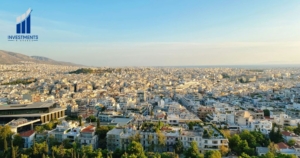
Athens, the foundation of Western civilization, is experiencing a renaissance. Once-neglected neighborhoods now echo the sounds of renewal. Investors are turning their attention to the city’s historic districts, where ancient charm meets modern aspirations. Furthermore, renovated apartments and boutique hotels are breathing new life into Plaka, Psiri, and Monastiraki, creating city life that combines tradition with contemporary attractions.
Beyond the mainland, the islands stand as jewels in the Aegean Sea. While Santorini and Mykonos continue to enchant, lesser-known gems like Milos and Naxos are entering the spotlight. Investors are eyeing these pristine landscapes, envisioning resorts and retreats blending with the islands’ natural beauty. The future of Greek real estate is an archipelago of possibilities, where each island tells a unique story of investment potential.
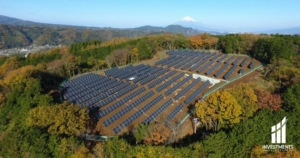
The global call for sustainability resonates in Greece’s hills. Eco-friendly retreats, nestled in nature’s embrace, are emerging as a hub for real estate innovation. From solar-powered villas in Crete to agritourism ventures in the Peloponnese, the future of Greek real estate is also tied to a commitment to environmental awareness.
Greece’s Golden Visa program continues to be a highlight for international investors. This initiative offers residency in exchange for real estate investment and drives the market forward. Investors from Asia, the Middle East, and beyond are seizing the opportunity to secure a European foothold, further boosting demand for Greek properties.
Athens and Thessaloniki are developing into tech hubs, attracting startups and innovators. Demand for modern office spaces is growing, creating opportunities for commercial real estate ventures. As Greece positions itself at the crossroads of technology and tradition, the real estate landscape reflects this fusion, offering spaces where innovation flourishes.
The post-pandemic era heralds a new age of remote work, and Greece is emerging as an ideal destination for digital nomads. Villas in the Peloponnese and cottages in Corfu are becoming remote-work havens. The future of Greek real estate meets flexibility, inviting professionals to trade bustling urban landscapes for the tranquility of a Greek retreat.
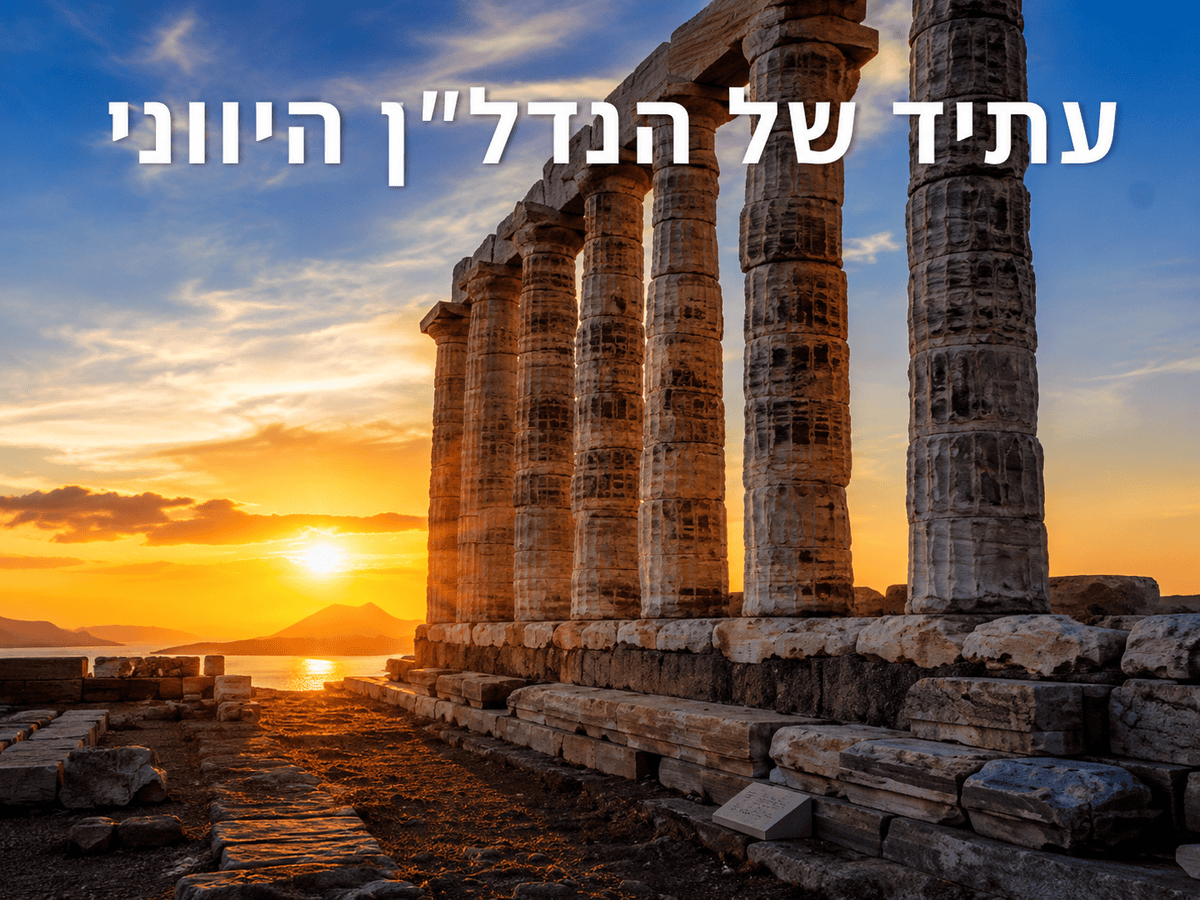
Preserving cultural heritage is paramount in the future of Greek real estate. Renovation projects in collaboration with archaeologists are restoring historic properties. The ancient and the modern coexist, creating a dynamic where every stone tells a story, and every building testifies to Greece’s enduring spirit.
In this odyssey through the future of Greek real estate, every chapter opens a narrative of innovation, sustainability, and cultural richness. Whether you’re a seasoned investor, a developer with vision, or someone seeking a home in the cradle of civilization, Greece’s real estate market invites you to script your own story within this unfolding epic.
1. Economic Renewal and Market Dynamics:
Greece, a nation adorned with ancient wonders and natural beauty, is undergoing a remarkable economic revival that reverberates through its real estate landscape. In an era of challenging economic times, the Hellenic Republic is rising like a phoenix, driven by strategic reforms and investments that breathe new life into its economic corridors.
This renewal isn’t just a simple economic figure; it translates into a dynamic real estate market showing rising demand for residential and commercial properties. As economic stability takes root, investors and homebuyers are turning their gaze toward this Mediterranean haven, sensing the potential for attractive opportunities.
In Athens, the capital and beating heart of Greece, once-neglected neighborhoods testify to renewal. Investors, developers, and people with a sharp eye for opportunity recognize the historic charm located within districts like Plaka, Psiri, and Monastiraki. As a result, these districts are transforming, with renovated apartments and boutique hotels breathing new life into the city’s ancient arteries.
The islands, those jewels scattered across the Aegean and Ionian Seas, aren’t immune to this economic renaissance. While Santorini and Mykonos have long been a magnet for investors, lesser-known gems like Milos and Naxos are entering the spotlight. Investors envision resorts and retreats blending seamlessly with the islands’ natural beauty, offering a luxurious yet authentic experience.
Sustainability has become a cornerstone in Greece’s real estate narrative. As the world moves toward ecological awareness, Crete’s hills and the Peloponnese’s coasts are witnessing the development of eco-friendly retreats. Solar-powered villas and agritourism ventures aren’t just real estate projects; they’re commitments to adapting human habitats to the environment.
The Golden Visa program, an attraction for international investors, continues to play an important role. By offering residency in exchange for real estate investments, Greece has become a gateway to Europe for investors from diverse corners of the world. This program has boosted demand for Greek properties, further fueling the economic engine.
Cities like Athens and Thessaloniki are undergoing a metamorphosis into tech hubs. Furthermore, startups and innovators are finding a home in these urban landscapes, and demand for modern office spaces is rising. The future of Greek real estate, especially in the commercial sector, is intricately tied with this convergence of technology and tradition.
In addition, the post-pandemic era has reshaped work paradigms, giving rise to the remote work phenomenon. Greece, with its timeless landscapes, is developing as an ideal destination for digital nomads. Villas in the Peloponnese and cottages in Corfu aren’t just homes; they’re a refuge for those wanting to balance work with the tranquility of the Greek countryside.
Preserving cultural heritage is important in the future of Greek real estate. Collaborative efforts between investors and archaeologists are restoring historic properties, creating a dynamic where the ancient and modern coexist in harmony.
In this digital era, economic revival, and future dynamics of Greek real estate, every chapter opens a narrative of innovation, sustainability, and cultural richness. Greece, with its economic phoenix, invites investors, developers, and home seekers to participate in its unfolding epic, where history meets opportunity.
2. Urban Renewal and Development:
As the sun sets over the Acropolis, painting the sky in shades of orange and pink, a new dawn opens over Greek cities — Athens, Thessaloniki, and others — experiencing a deep wave of urban renewal and development. This transformation isn’t just a cosmetic facelift; furthermore, it’s an evolving stage of city spaces holding the promise of a dynamic future for Greek real estate.
Athens, center of Western civilization, is shedding its old skin. Neighborhoods like Exarchia, once known for activism and graffiti-covered walls, are undergoing a metamorphosis. In addition, abandoned buildings are finding new purpose as art studios and co-living spaces. Highly experienced investors recognize the potential embedded in these urban canvases, envisioning modern apartments, co-working hubs, and cultural spaces blending seamlessly with the city’s historic fabric.
Thessaloniki, Greece’s second-largest city, is beginning a similar narrative. The waterfront, once an industrial space, is now a bustling promenade lined with cafes and parks. Urban planners and architects are collaborating to create spaces that integrate with the city’s rich history while meeting contemporary living demands. Real estate developers view Thessaloniki not just as a city with a past but also as a canvas for future possibilities.
The heartbeat of this urban renaissance is demand for contemporary living spaces. Young professionals and families, local and international, seek housing offering not just shelter but a lifestyle. Modern apartments with smart home features, energy-efficient designs, and community spaces fostering a sense of community are becoming the hallmarks of urban development projects.
The trend extends beyond residential spaces and encompasses commercial and cultural hubs. Co-working spaces are emerging in renovated buildings, providing a flexible, collaborative environment for the city’s growing entrepreneurial ecosystem. Cafes, galleries, and theaters are finding homes in neglected structures, breathing life into forgotten corners of the city.
Investors with a serious interest in investments know that the future of Greek real estate is drawn to these urban landscapes. The potential to capitalize on demand for contemporary living is immense. Renovating old structures into modern residences, developing mixed-use spaces combining commercial and cultural elements, and contributing to reviving historic neighborhoods aren’t just real estate projects; they’re vital components in a city’s evolution.
Government initiatives supporting urban development, along with incentives for investors, further encourage this wave of change. From tax breaks to efficient permitting processes, the stage is set for a collaborative effort between the public and private sectors to redefine the urban narrative.
As cranes dotting the skyline become symbols of progress, the future of Greek real estate unfolds in the renewed streets of Athens, Thessaloniki, and beyond. Urban renewal isn’t just about buildings; it’s about creating living breathing spaces that resonate with the pulse of modern life while preserving echoes of the past. For investors, entrepreneurs, and those thinking of a home in the heart of a renewing city, the canvas is vast, and the potential is unlimited.
3. Sustainable and Eco-Friendly Practices in Greek Real Estate:
Among ancient olive groves and against the backdrop of the azure sea, a new atmosphere is beginning in the Greek real estate landscape — a commitment to sustainability and eco-friendly practices that resonate with nature’s eternal harmony. As the world moves toward a greener future, Greece is positioning itself at the spearhead of this global shift, and the real estate sector is becoming a vital arena for sustainable innovation.
Energy efficiency is a cornerstone in this vision for the future. The iconic white buildings adorning the Greek islands and the beautiful homes nestled on hillsides are evolving to embrace modern, sustainable designs. Investors and developers are increasingly incorporating green building practices, using energy-efficient materials, and implementing technologies that reduce structures’ environmental footprint.
The commitment to sustainability extends beyond individual buildings to entire developments. The future of Greek real estate envisions eco-friendly communities where green spaces are not just a luxury but a necessity. Urban planning is embracing the integration of parks, community gardens, and sustainable landscaping, fostering harmonious coexistence between the built environment and nature.
Water, a precious resource in the Mediterranean, is also a central and important focus of sustainability efforts. Rainwater harvesting, water recycling systems, and water-efficient landscaping are becoming standard features in real estate projects. Investors recognize the dual impact of sustainable water practices — conserving a vital resource and enhancing the overall resilience of the development.
Sustainable real estate practices aren’t just an environmental imperative but also a response to buyers’ evolving preferences. The modern homeowner, whether local or international, seeks housing that matches their values. A home incorporating sustainable features not only contributes to the planet’s wellbeing but also provides a healthier, more comfortable living environment.
Government initiatives play an important role in developing this sustainable transformation. Incentives for green building certifications, tax breaks for energy-efficient upgrades, and regulations promoting eco-friendly practices create an environment where sustainability is not just a choice but also a requirement.
Furthermore, for investors with a keen eye on the future of Greek real estate, the integration of sustainable and eco-friendly practices isn’t just a trend to capitalize on; it’s an investment in a profitable, forward-looking market. Properties embracing sustainability may stand out in a competitive market, attracting buyers who value commitment to environmental stewardship.
As the sun sets over olive-draped hills and the Aegean Sea tells the story of ancient civilizations, the future of Greek real estate unfolds with a commitment to sustainability. This is a journey toward a greener horizon, where modernity coexists alongside tradition, and tomorrow’s homes are built on principles resonating across generations.
4. Technology Integration:
Greek real estate is undergoing a digital metamorphosis, with innovative technology beginning to promise to revolutionize every aspect of the real estate market. As we recognize the future, a smooth marriage between real estate and technology is shaping the industry, presenting innovative tools that enhance the buyer’s journey and redefine the perception of transactions.
Virtual reality (VR) is emerging as a game-changer, offering potential buyers engaging property tours without physically setting foot on the desired ground. This transformative technology transports people into the heart of a property, providing a realistic, interactive experience. From exploring the panoramic views of a seaside villa to wandering the historic charm of modern city apartments, VR is reshaping how buyers view their future homes.
Blockchain, famous for its transparency and security features, is entering the traditional real estate transaction process. Furthermore, blockchain’s immutable nature ensures property records are tamper-proof, reduces fraud risk, and streamlines the often complex legal aspects of real estate transactions. As Greece positions itself at the spearhead of this technological revolution, blockchain is set to bring a new level of efficiency and trust to the real estate market.
This technological integration isn’t meant just to make transactions smoother; it’s about creating a more informed and empowered real estate experience. Future buyers will have access to a wealth of data, enabling more informed decision-making. From market trends to property histories, technology is opening a world of information that was previously shrouded in mystery.
As Greece marches toward a future where tradition meets innovation, technology integration in real estate isn’t a simple trend; it’s a transformative force. It’s a commitment to providing buyers with more than just properties; it’s about delivering a dynamic, interactive, sophisticated real estate experience that meets the digital age.
Summary:
Looking at the future of Greek real estate, a landscape both vibrant and promising emerges. The marriage of tradition and innovation, the commitment to sustainability, and the integration of advanced technologies paint a dynamic picture of Greece’s real estate market.
Furthermore, for investors, the key to unlocking full potential lies in a forward-thinking approach, astute recognition of emerging trends, and understanding the diverse opportunities this Mediterranean haven offers.
Whether drawn to Athens’s historic charm, the beauty of a seaside villa, or the dynamism of urban developments, the future of Greek real estate invites investors to become important players in a narrative weaving together modernity and tradition, creating a journey of opportunities against the enduring backdrop of Greece’s timeless beauty. As the sun sets on the old and rises on the new, the potential for growth and prosperity in Greek real estate is as boundless as the horizon over the Aegean Sea.