
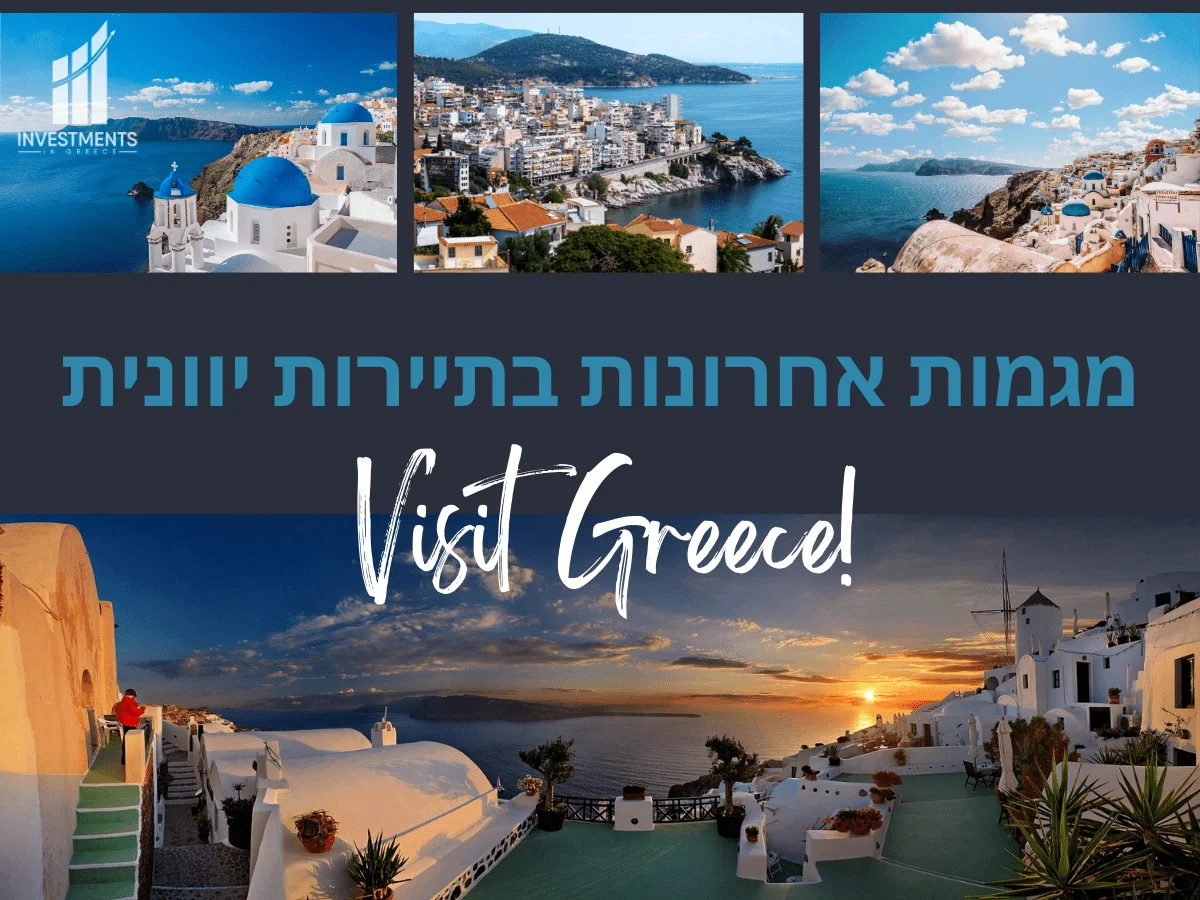
Greece, a country rich in history, culture, and natural beauty, has long been a sought-after destination for travelers from around the world. In recent years, the country has experienced an impressive resurgence in tourism, with a significant increase in visitor numbers, emerging travel trends, and substantial economic impacts.
The evolution of tourism in Greece has ushered in a new era, inviting adventurers to discover the treasures of this enchanting country while enjoying its historical grandeur and embracing the vibrancy of its contemporary culture.
Recent Trends in Greek Tourism
Over the past decade, Greek tourism has experienced an extraordinary and unprecedented surge, establishing itself as a highly desirable global destination. Statistics published by the Greek National Tourism Organisation (GNTO) revealed a compelling growth story, with more than 30 million international travelers recorded in 2019 alone.
This impressive increase in visitor numbers represents a significant rise compared with previous years and reflects the captivating appeal of Greece’s diverse offerings.
One of the key drivers behind this tourism boom lies in Greece’s rich tapestry of historical treasures, which continues to capture the imagination of travelers with a passion for exploration. The country’s ancient landmarks, steeped in mythology and history, have emerged as magnetic attractions, drawing curious minds eager to uncover the stories carved into stone.
However, it is not only echoes of the past that attract tourists to Greece’s shores. The country’s unparalleled natural beauty, expressed through its pristine beaches and idyllic islands, has played an equally compelling role in Greece’s tourism boom.
The azure waters of the Aegean Sea surround a diverse collection of islands, each with its own unique character and charm. Whether it is the cosmopolitan allure of Mykonos, the romantic tranquility of Santorini, or the unspoiled landscapes of Crete, these islands offer a kaleidoscope of experiences designed to satisfy the preferences of every traveler.
Undoubtedly, a significant part of the success story of Greek tourism lies in the warmth and hospitality of local communities. The concept of “Philoxenia,” deeply rooted in Greek culture, embodies the genuine and open welcome that visitors receive.
With each passing year, the enchanting story of Greece’s appeal continues to evolve, weaving a narrative of discovery, wonder, and shared experiences that resonates with travelers from every corner of the world.
Factors Driving the Revival of Tourism in Greece
Improved Infrastructure and Accessibility
Greece’s tourism industry is experiencing a strong comeback, and one of the key factors behind this revival is the significant improvement in the country’s infrastructure and accessibility. Greece has taken proactive steps to make travel throughout the country smoother and more enjoyable for visitors.
One of the most significant improvements has been the modernization of transportation networks. This includes upgrading roads, ensuring that they are well maintained and easier to navigate, and making it possible for travelers to move smoothly from airports to various destinations throughout Greece.
In addition, airports have been expanded and upgraded, providing better facilities and services for incoming tourists.
Diverse Tourism Offerings
Greece has expanded its tourism attractions beyond traditional historical landmarks. Today, the country offers something for a wide range of travelers.
Whether you enjoy relaxing on sunny beaches, experiencing vibrant nightlife, exploring nature, or trying delicious cuisine, Greece has something to offer. This diversity has attracted different types of visitors and helped extend the tourism season beyond the traditional summer months.
Digital Marketing and Online Booking
The arrival of the digital era has completely transformed the way Greece is promoted as a leading tourist destination.
The strategic combination of effective online marketing tactics, the influence of social media influencers, and user-friendly booking websites has provided travelers with the tools they need to easily plan and secure their dream Greek holidays.
This significant increase in online engagement has not only expanded the reach of Greece’s tourism industry but has also connected the country with enthusiastic travelers around the world.
In the past, people may not have known much about Greece as a tourist destination. Today, thanks to the power of the internet and social media, awareness has spread far and wide.
Stunning photographs, engaging videos, and personal stories shared online have sparked the interest of countless people who are now considering Greece as their next travel adventure.
Greek tourism has become a digital success story, largely because technology has made it easier than ever for travelers to discover, plan, and embark on their dream holidays in Greece.
Unlocking Economic Opportunities: The Multifaceted Impact of Tourism on the Greek Economy
As visitors from around the world flock to experience the beauty and cultural richness of this nation, the economic impact of tourism on Greece’s landscape is becoming increasingly evident.
Job Creation: Driving Employment Opportunities
One of the most significant positive outcomes of Greece’s thriving tourism sector is the creation of a substantial number of jobs.
The tourism industry is a major employer, spanning various sectors such as hospitality, transportation, entertainment, and retail. Hotels, restaurants, tour operators, and local artisans all benefit from the influx of tourists, leading to increased employment opportunities for local residents.
This job creation helps reduce unemployment rates, particularly in areas that depend heavily on tourism, and contributes to Greece’s overall economic well-being.
Revenue Generation: Boosting GDP and the Local Economy
Tourism serves as a vital pillar of the Greek economy by making a significant contribution to the country’s gross domestic product (GDP).
When tourists arrive in Greece, they spend money on accommodation, food, transportation, activities, and experiences. This spending contributes significantly to the growth of the Greek economy.
Hotels and resorts welcome large numbers of tourists, increasing their revenues. At the same time, shops and businesses selling local products also benefit from the increased number of visitors.
As a result, Greek tourism supports not only major hotels and resorts but also small businesses in popular tourist destinations.
Balancing Seasonal Fluctuations: Extending the Tourism Season
Greek tourism has traditionally experienced higher visitor numbers during the summer and lower demand during other seasons.
To address this, efforts are being made to extend the tourism season and reduce reliance on the summer months alone. This is achieved by offering a wider range of activities and promoting appealing experiences during periods that are traditionally less busy.
By attracting more tourists during the quieter periods, Greece can support local communities by maintaining more stable employment and economic activity throughout the year.
This approach not only addresses seasonal fluctuations in visitor numbers but also helps sustain jobs and income within local communities.
Challenges and Opportunities in the Experiential Renaissance of Greek Tourism
Sustainable Growth Amid Rising Demand
Greece’s tourism industry is enjoying an exciting period of growth, offering travelers increasingly immersive experiences. However, as more visitors arrive, it is important to find a balance between growth and environmental protection.
With immersive experiences attracting travelers from around the world, it is essential to adopt sustainable tourism practices that protect Greece’s cultural heritage and natural environment.
This means managing visitor numbers, respecting capacity limits, and implementing smart strategies to prevent damage to sensitive destinations.
By growing sustainably, Greece can ensure that its tourism industry remains exceptional for generations to come.
Protecting Cultural Heritage Against Overtourism
The rise of experiential tourism brings significant benefits to Greece’s tourism industry, but it also raises concerns about preserving the country’s valuable cultural heritage.
The challenge is to protect important historical sites and traditions while welcoming the many curious travelers who come to visit.
The popularity of tourism can sometimes lead to “overtourism,” where excessive visitor numbers can begin to damage archaeological sites and diminish authentic local experiences.
To achieve a healthy balance, it is important to consider creative ways to manage large numbers of tourists.
These may include using innovative technologies to control visitor numbers at certain locations or improving advance booking systems.
It is also a shared responsibility among local communities, tourists, and authorities to work together to protect what makes Greece such an interesting and fascinating destination.
Balancing Tradition and Modernity
The experiential renaissance of Greece’s tourism industry brings a fascinating dilemma to the forefront: how to seamlessly combine ancient traditions with modern sensibilities.
This balance not only preserves the authenticity of cultural encounters but also empowers local communities to embrace their heritage while welcoming contemporary influences.
The challenge extends beyond architecture and cultural experiences to infrastructure and hospitality services.
Successfully navigating this interplay can redefine Greece as a destination that respects its past while embracing the future, captivating travelers who seek a harmonious blend of tradition and modernity.
Promoting Inclusion and Accessibility
As Greece’s tourism landscape evolves, the country must address the challenge of making experiential travel accessible to everyone, regardless of physical abilities, background, or budget.
While immersive experiences enrich the journey for many travelers, it is essential to ensure that no one is left behind.
This involves increasing efforts to create inclusive facilities, offering affordable travel options, and adapting experiences to accommodate diverse needs.
By weaving inclusion into the fabric of experiential travel, Greece can demonstrate that its treasures are open to everyone, fostering a richer and more equitable tourism environment.
Conclusion
The revival of tourism in Greece in recent years is a testament to the country’s ability to adapt to changing tourism trends while preserving its rich cultural and natural heritage.
The combination of improved accessibility, diverse tourism offerings, and a focus on sustainability has revitalized Greece’s tourism industry, generated economic benefits, and encouraged cultural exchange.
By continuing to prioritize responsible tourism practices and engaging local communities, Greece can ensure that its tourism boom generates lasting positive impacts for both visitors and residents.
As travelers from every corner of the world continue to explore Greece’s treasures, the country’s tourism sector is well positioned for a bright and sustainable future.