

Someone shows up almost every week having “nearly bought” property in Greece before, then hit a wall. Sometimes it was a plot with a stunning view that turned out, after the deposit was already paid, to have no building rights attached to it. Sometimes it was money wired straight to the seller with zero protection, followed by six months of uncertainty over what happened to the title registration. There’s also the story of the buyer who found out, a year after closing, that he couldn’t actually rent his property short-term because of a regulatory change nobody had checked beforehand.
These aren’t rare horror stories or random bad luck. Look closely at the most common mistakes buying property in Greece and a clear pattern emerges: the same errors, repeating themselves, because they come from a real information gap between how things work in Israel and how they work in Greece. Someone who’s bought an apartment in Tel Aviv or a house in Ashkelon knows that local process inside out. Nobody teaches them Greek property law, and that’s exactly why, when the property sits in another country, all these small details end up mattering so much.
Here’s a rundown of the mistakes buying property in Greece we see most often among Israeli buyers, and what to do instead of each one.
1. Using the seller’s lawyer
This is one of the mistakes buying property in Greece that shows up again and again. It happens more than people expect. The buyer wants to save the fee, or just doesn’t think it through, and ends up using whichever lawyer the seller brought to the deal. The problem becomes obvious the moment you pause and think about it: one lawyer can’t faithfully represent two sides with opposing interests in the same transaction. The seller wants a fast, clean sale. The buyer needs someone checking every line of the contract, confirming there are no hidden liens on the property, and willing to stop the deal if something doesn’t add up, even if that delays closing.
Independent counsel costs money, but it costs far less than discovering a legal problem after you’ve already signed. Look for a lawyer who speaks your language, knows the local law, and works exclusively for you, not the seller, not the developer, and not the agent.
2. Not verifying building rights before buying land
A plot with a sea view isn’t the same thing as a plot you’re allowed to build the house you’re picturing on. Greece has parcels with real restrictions: maximum buildable area, height limits, distance from the coastline, and sometimes agricultural zoning that rules out residential construction entirely. Some buyers have purchased a beautiful piece of land only to discover afterward that they can build a tiny cottage on it, not the villa they had in mind.
This check is usually called a building-rights or zoning verification, and it involves confirming with the local authority the permitted floor area, whether a basement is allowed, and what infrastructure already exists on-site: road access, electricity, water. It typically takes a few days and costs a few hundred euros when you hire a local engineer or architect to do it properly. Against the price of the land itself, that’s a rounding error. Against the cost of finding out after you’ve signed, it’s nothing at all.
3. Wiring money without an escrow account
This is probably the most expensive mistake on the entire list. Money sent directly from buyer to seller before the title is registered in the buyer’s name leaves that buyer completely exposed. If the seller disappears, if there’s a registration snag, if anything at all goes wrong, there’s no mechanism to get the money back. This happens more often than anyone would like to believe, especially in deals where the buyer is far away and can’t personally supervise every step.
The right structure is a trustee account, managed by an independent legal party, that releases payments only after written, approved milestones: for example, after the title is registered in the buyer’s name, not before. In a construction deal, this splits into several payment stages, each conditional on an engineering report confirming the work was actually completed. This isn’t just a technical detail. It’s the difference between being a protected investor and being entirely dependent on blind trust.
4. Ignoring the costs that stack on top of the listed price
The listed price of the land or apartment is only one part of the financial picture. There’s transfer tax, notary fees, land registry fees, and sometimes an agent’s commission if one was involved. Plenty of buyers budget exactly to the number they saw in the listing, then get an unpleasant surprise when they realize they need another eight to ten percent on top just to close the deal.
The right move is to ask upfront for a full breakdown of every associated cost, not just the property price, and budget against the total, not the headline number. Turn-key construction deals make this easier to calculate because planning, permitting, and construction costs are bundled into one clear budget from the start, though it’s still worth confirming exactly what is and isn’t included.
5. Underestimating the annual property tax (ENFIA)
Among the mistakes buying property in Greece, this one only shows up months later. Owning property in Greece doesn’t end on closing day. There’s an annual property tax that keeps running for as long as you own the asset, and how much you pay depends on size, location, and the assessed value under tables the government updates periodically. Investors who plan their entire cash flow around expected rental income, without factoring in this recurring cost, discover at the end of the first year that the net return is noticeably thinner than they expected.
This isn’t a dramatic expense in most cases, but it needs to be part of the upfront math, not a surprise found out after the fact. The same goes for other ongoing costs: insurance, maintenance, and municipal fees.
6. Assuming short-term rental will just work without checking the rules
2026 brought a real shift in Greece’s short-term rental regulations, including new limits in certain zones and licensing requirements that didn’t exist before. Anyone who bought a property assuming Airbnb would work “the way it always has” might discover their whole financial plan no longer matches current regulatory reality, especially if the investment case leaned entirely on short-term rental yield.
This check needs to happen before the purchase, not after, and specifically for the area under consideration, since the rules vary from place to place. It’s also worth asking whether the seller or developer actively tracks regulatory updates, because rules like this tend to keep shifting.
7. Skipping inheritance planning
Greek inheritance law differs from Israeli law, and without advance planning, a valid will under local law, an understanding of the relevant tax brackets, and coordination between both countries’ legal systems, your heirs could face a long, complicated process at exactly the wrong moment. It’s not a pleasant thing to think about while buying a vacation home, but it’s far cheaper to handle in advance than to leave for a family to untangle by surprise.
A lawyer familiar with both Israeli and Greek law can help build a framework that avoids conflict between the two systems. It’s a one-time process, and once it’s done, you can largely forget about it for years.
8. Transferring money without thinking about exchange rates
Moving a large sum from shekels to euros can cost thousands of shekels in spread and fees, depending on when, how, and through which provider the transfer happens. A lot of people just send the money through their regular bank on whatever day is convenient, without checking alternatives, and lose a meaningful amount in the process.
There are ways to plan this properly: comparing fees between banks and specialized currency-transfer firms, timing the transfer, and sometimes splitting it into several payments instead of one large transfer. It sounds like a minor technical detail, but on sums in the hundreds of thousands of euros, the difference can be substantial.
9. Picking a location on gut feeling without checking real accessibility
Perhaps the most surprising of all the mistakes when buying property in Greece. A villa with a breathtaking view that takes two hours plus a ferry crossing every time you want to reach it isn’t the same investment as a property that’s reasonably easy to get to. There’s a huge difference between a property you’ll actually use, over and over, and one that sits empty most of the year because the journey there is exhausting.
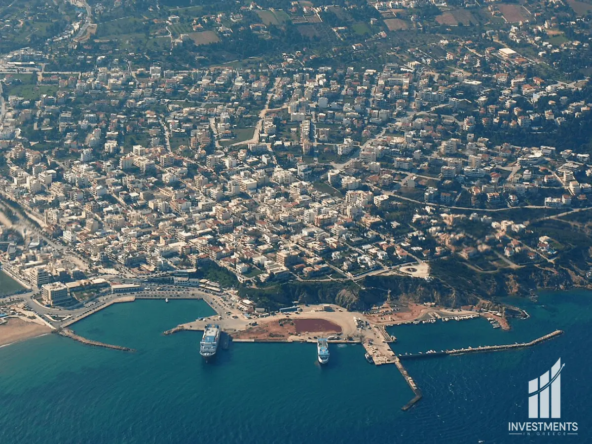
Karystos, for example, sits about ninety minutes from Athens airport, including a short drive to Rafina port and a ferry crossing. That’s exactly the kind of distance that makes it usable for a spontaneous weekend, not just a once-a-year planned vacation. This check- how long it really takes, how often ferries run in different seasons, whether there’s road access too- needs to happen before you fall for the photos, not after.
10. Skipping independent engineering oversight during construction
Anyone building from the ground up without hiring an independent supervisor to check every stage before paying for it is essentially trusting the contractor’s word alone, with no real way to confirm the work matches what was agreed. This matters even more when the buyer is in another country and can’t personally visit the site every week.
The right model is milestone-based construction payments, for instance, nine clear stages from site preparation through handover, where each payment is released only after an independent engineer files a report confirming that the stage was actually completed to standard. It’s the only reliable way to know that what you’re paying for is genuinely being built, at the agreed standard, not just on paper.
Conclusion
Most of the mistakes buying property in Greece on this list don’t come from carelessness on the buyer’s part. They come from a simple information gap between what’s obvious in Israel and what’s obvious in Greece. Anyone who checks these points in advance, independent counsel, building rights, an escrow account, engineering oversight- saves not just money but months of uncertainty and stress.
If you’re weighing an investment in Greece and want to make sure you’re not walking into one of the classic mistakes buying property in Greece, we’re happy to answer questions on a personal video call, or arrange a site visit and show you what a protected purchase process looks like from day one through handover.